
How to Store a Car Long Term in Billings, MT (Without Regrets)
ADMIN
January 28th, 2026
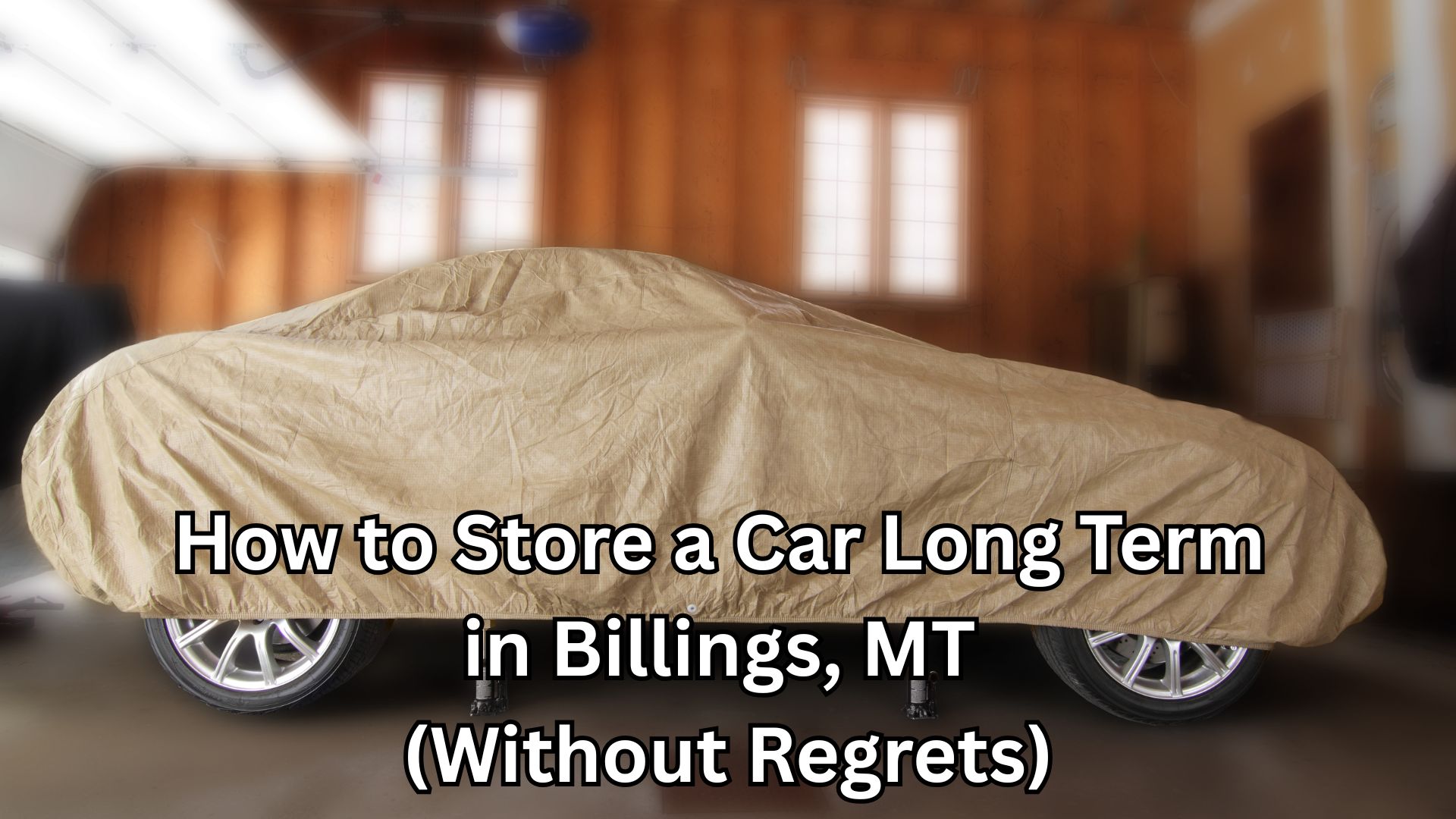
Long-term car storage is mostly about preventing two headaches: moisture and neglect. If you prep the vehicle correctly, store it in a clean, protected space, and set a simple check-in routine, your car should start back up without drama when you’re ready. Around Billings, it’s smart to do this before the first hard freeze.
Most folks we talk with have the same job to do: free up garage or driveway space while keeping the car ready for the next season or the next chapter.
What should we do before storing a car long term?
Start with a thorough clean, a basic maintenance check, and a plan to keep moisture and pests from settling in. The goal is to “pause” wear and tear, not just park the car and walk away. A little prep now saves you from dead batteries, flat-spotted tires, and musty interiors later.
Here’s the prep routine we recommend for most vehicles:
- Wash and dry it completely. Pay attention to wheel wells and under the bumper, where grime hides.
- Clean the interior. Remove food, trash, and anything that can attract critters.
- Top off fluids and consider an oil change. You’re trying to store clean fluids, not old, contaminated oil.
- Fill the gas tank and add fuel stabilizer. A fuller tank helps reduce condensation. Run the engine briefly to circulatethe stabilizer.
- Check tire pressure and protect the tires. Inflate to the manufacturer's spec and, if you can, store on a clean surface.
- Battery plan: either disconnect it or use a quality maintainer. (If you use a maintainer, make sure the setup is safe and appropriate for your vehicle.)
- Seal it up thoughtfully. Close windows, set the HVAC to recirculate, and consider a breathable car cover if dust is a concern.
Bottom line: clean, stabilize, and take moisture seriously.
Where is the best place to store a car for months at a time?
The best place is one that stays dry, keeps the vehicle out of the elements, and lets you access it without turning a quick check-in into a big project. For some people, that’s a garage. For others, it’s a dedicated storage space that frees up the home for daily life while the car stays protected.
A few practical options, with honest tradeoffs:
Home driveway or side yard
- Pros: convenient, no extra trip
- Cons: weather exposure, more temptation to “just leave it a little longer,” and it eats up usable space
A friend’s barn or shop
- Pros: protected and often inexpensive
- Cons: access depends on someone else’s schedule; dust and rodents can be an issue
Vehicle-friendly storage
- Pros: purpose-built for storage, predictable access, and you can keep your home space functional
- Cons: You’ll need to choose the right size or fit and do the prep work up front
If you’re not sure what size makes sense, browsing our size guide can help you estimate without guessing.
How do we protect a stored car from moisture, pests, and battery issues?
Moisture control is the big one, because it quietly causes rust, mildew smells, and electrical gremlins. Pair that with a pest-prevention routine and a smart battery plan, and you’ve handled most long-term storage problems before they start.
A simple protection checklist:
- Keep the car dry before it goes in. Don’t store it wet from a wash or a snow day.
- Use desiccant packs or a moisture absorber inside the cabin. This helps in close-up interiors.
- Avoid plastic tarps on the car. They can trap moisture. A breathable cover is usually safer.
- Block easy nesting spots. Clean out leaves and debris, and consider screening obvious openings if your situation calls for it.
- Check on it occasionally. Even a quick look every few weeks helps you catch issues early.
One tip we see renters forget: don’t engage the parking brake for very long storage in all situations. Some brakes can stick. If you’re unsure, a mechanic’s guidance for your specific vehicle is worth it.
How We Help
If your main goal is to keep the car protected while reclaiming space at home, we can help with a straightforward setup at our Billings location. We offer RV, car, and boat parking as well as interior storage, so you can choose the fit that makes sense for your vehicle and your timeline.
We also keep move-in day practical. Drive-up access is available, and we have dollies and handcarts on-sitefor the heavier stuff that always seems to show up with a long-term storage project. If you prefer fewer errands, online bill pay is available
When you’re ready, you can check unit availability online to see what’s open and get the process moving.
Getting Started
The fastest way to get long-term car storage right is to decide what “ready” means for you and work backward. Do you want to start it monthly? Keep it on a maintainer? Access it for occasional errands? Those answers determine the storage setup and how you prep.
A quick start plan:
- Pick your target duration. Three months look different than a year.
- Prep the car in one session. Cleaning, fluids, fuel stabilizer, tire pressure, and battery plan.
- Stage what you’ll need later. Spare key, cover, maintainer lead, and a small checklist for the future you.
- Ask questions before move-in. Our see common storage questions page covers the basics, and if you want to talk it through, reach out to our team anytime.
If your timeline is tied to classes or clinical rotations, we’re also a convenient stop for folks around City College at MSU Billings (approx. 3–4 miles away).
FAQs
FAQs work best when they’re quick and specific, so we’re keeping these tight. Long-term car storage doesn’t have one perfect answer for every vehicle, but the same themes show up again and again: battery care, moisture control, tire protection, and a sensible check-in routine. Use the questions below as a checklist for what to decide before you store.
Should we start the car while it’s in long-term storage?
Starting it occasionally can help, but it only works if you can run it long enough to fully warm up and avoid short-idle moisture buildup. If you can’t do that safely, focus on battery care and a solid prep routine instead.
Do we need a car cover for long-term storage?
Sometimes. If dust is your main issue, a breathable cover helps. Avoid plastic or non-breathable covers that can trap moisture. The best cover is still a car that went into storage clean and dry.
What’s the minimum checklist to prep a car for storage?
- Wash and dry the exterior
- Clean the interior and remove food
- Fuel stabilizer + full tank
- Tire pressure check
- Battery disconnect or maintainer plan
How do we get the car ready to drive again?
Do a quick walkaround, check tire pressure, look for leaks, and confirm the battery is healthy. If it’s been many months, a short maintenance check (fluids, brakes, and belts) is a smart move before a long drive.
Local info can make planning easier, especially when your storage timing is tied to a semester start, travel, or a move. We stick to official, reputable sources, and we keep the list short so it’s actually useful. If you’re coordinating schedules or campus-related logistics on the West End, this resource is a solid place to start.
City College at MSU Billings (approx. 3–4 miles from our facility)
Categories